
absolute compliance
FIRE PROTECTION solutions &
products
Fire Protection Solutions
Water-Based Suppression Systems
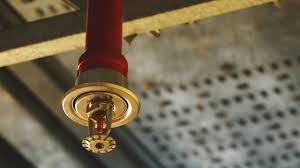
Wet Pipe Sprinkler System
The most widely used automatic fire suppression system where pipes remain filled with pressurized water at all times. When a sprinkler head activates due to heat, water is immediately discharged to control or extinguish the fire.
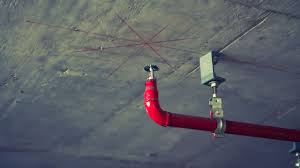
Dry Pipe Sprinkler System
Designed for areas exposed to freezing temperatures. The pipes are filled with pressurized air or nitrogen, and water is released only when a sprinkler head activates, preventing pipe freezing.
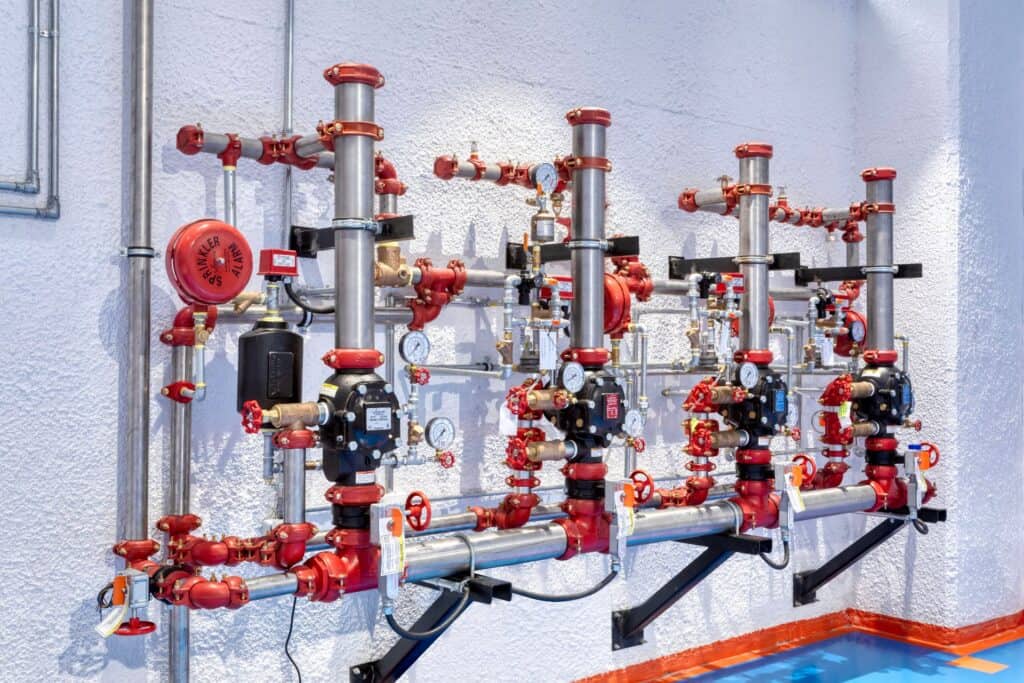
Pre-Action Sprinkler System (Single & Double Interlock)
An advanced system that requires a detection event (such as smoke or heat detection) before water enters the piping network.
Single Interlock: One trigger required.
Double Interlock: Two independent triggers required; ideal for high-value areas such as data centers and archives to prevent accidental discharge.
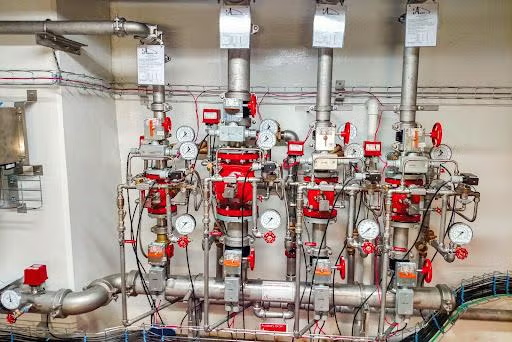
Deluge System
Used in high-hazard environments like chemical plants or fuel storage areas. All sprinkler heads remain open, and once triggered, the system rapidly releases large volumes of water to soak the entire protected area.
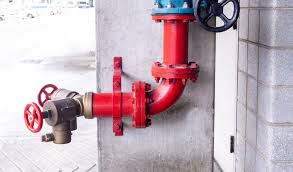
Fire Hydrant & Standpipe Systems
Manual fire suppression systems that provide water supply for firefighters within buildings. Available as Class I, II, or III systems depending on building requirements and occupant usage.
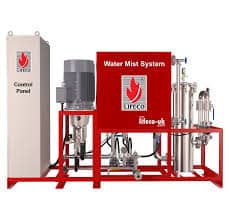
Water Mist System
Discharges ultra-fine water droplets that cool the fire and displace oxygen through steam conversion. Effective for sensitive areas while minimizing water damage.
Special Hazard Suppression Systems
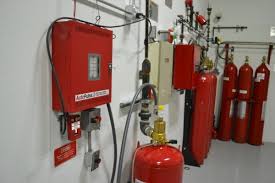
Clean Agent Fire Suppression Systems
Uses gaseous agents such as FM-200, Novec 1230, or Inergen to extinguish fire without leaving residue. Ideal for data centers, server rooms, control rooms, and areas with sensitive electronics.
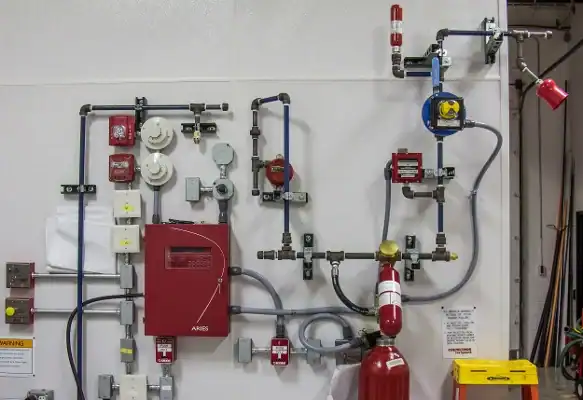
Carbon Dioxide (CO₂) Suppression System
Uses high or low-pressure CO₂ gas to displace oxygen and suppress fire. Commonly installed in unoccupied industrial spaces due to oxygen displacement risks.
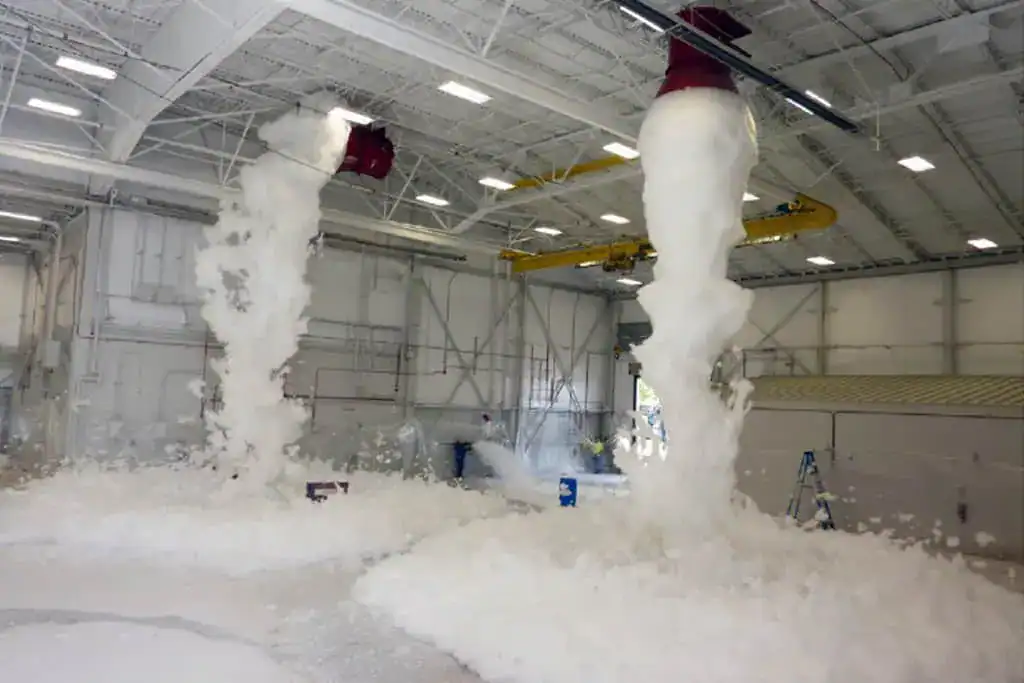
Foam-Water Suppression System
Designed for flammable liquid (Class B) fires. Mixes foam concentrate with water to create a blanket that suppresses vapors and prevents re-ignition.
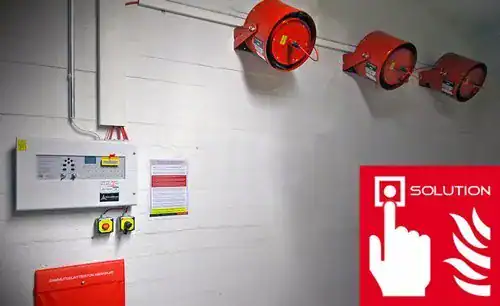
Aerosol Suppression System
Utilizes fine solid particles and gaseous agents to interrupt the chemical chain reaction of combustion. Compact and suitable for enclosed technical spaces.
Fire Life Safety & Fire Management Systems
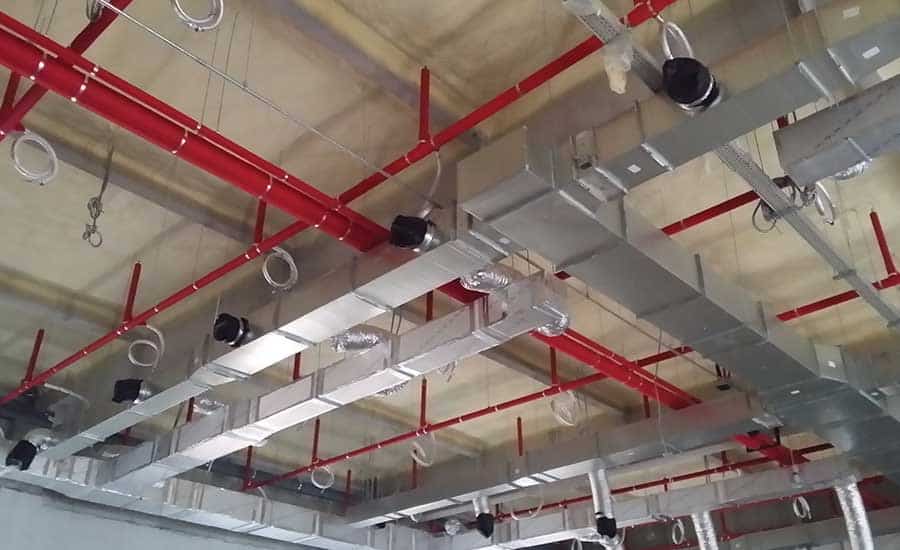
Smoke Management & Control Systems
Mechanical systems using fans, dampers, and pressurization to control smoke movement, keeping evacuation routes clear and improving visibility during emergencies.
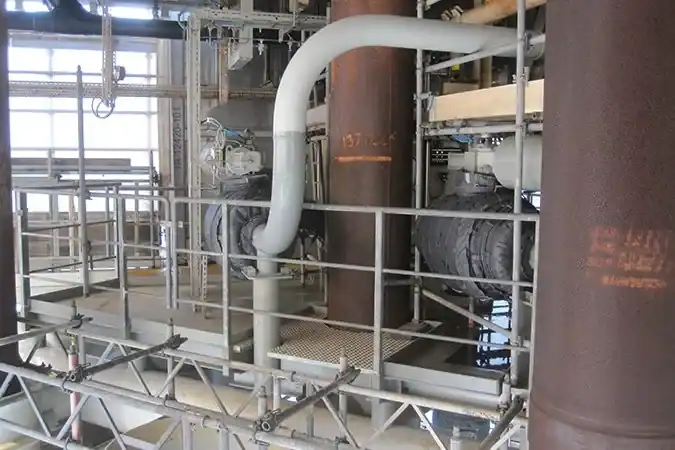
Passive Fire Protection (PFP) Systems
Structural fire safety measures including fireproofing materials, firewalls, compartmentation, and fire-stopping seals that prevent fire and smoke spread within a building.
Fire Protection Products
Detection & Alarm Hardware
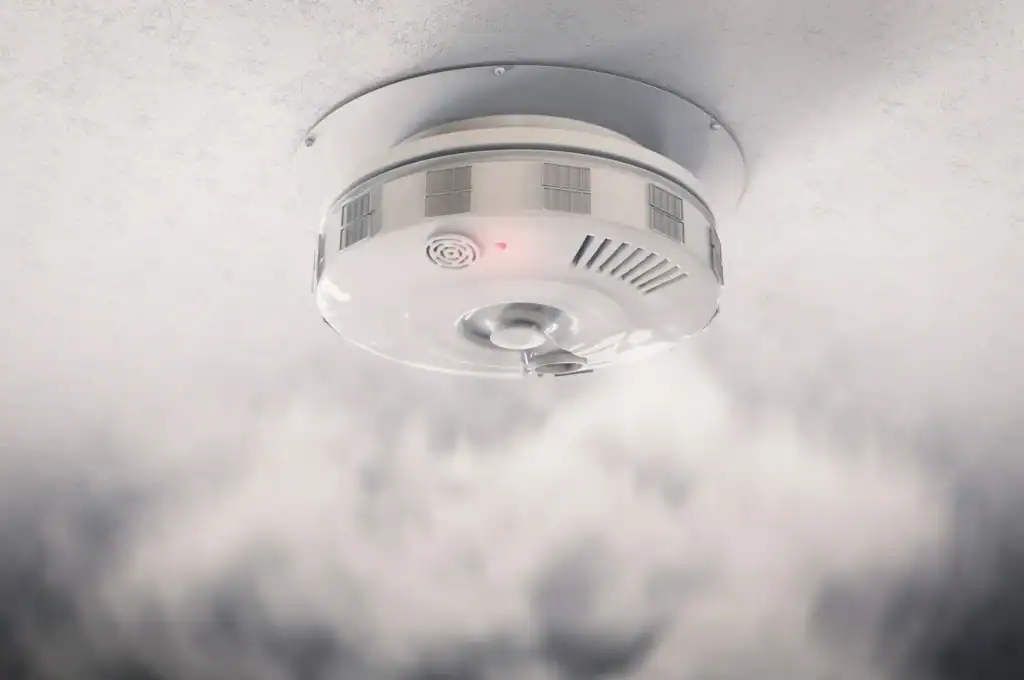
Smoke Detectors
Photoelectric Detectors: Effective for detecting slow, smoldering fires.
Ionization Detectors: Responsive to fast-flaming fires.
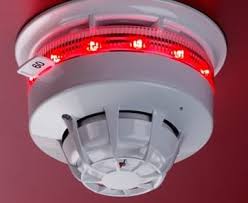
Heat Detectors
Detect elevated temperatures through fixed temperature thresholds or rate-of-rise sensing mechanisms.
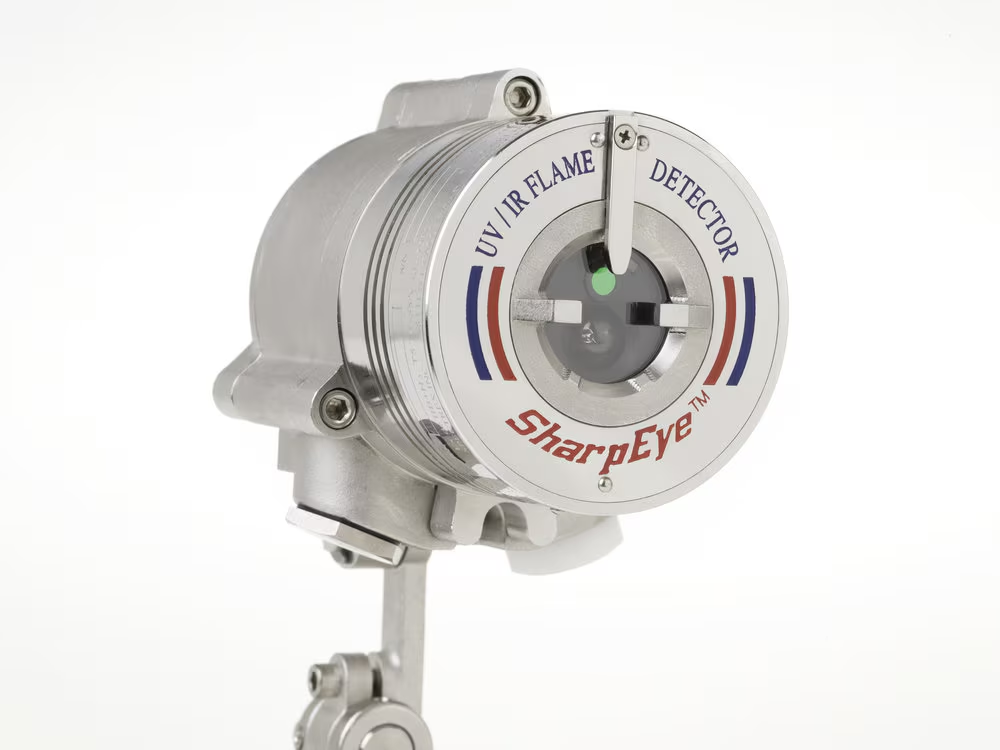
Flame Detectors (UV/IR)
Optical sensors that detect specific light frequencies emitted by flames, commonly used in high-risk industrial areas.
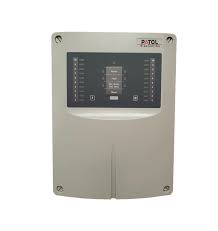
Aspirating Smoke Detectors (ASD)
High-sensitivity systems that continuously sample air through a pipe network for early smoke detection (e.g., VESDA systems).
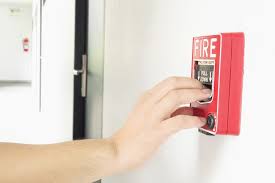
Manual Pull Stations
Manual activation devices (“Break Glass” units) allowing occupants to trigger the alarm system during emergencies.
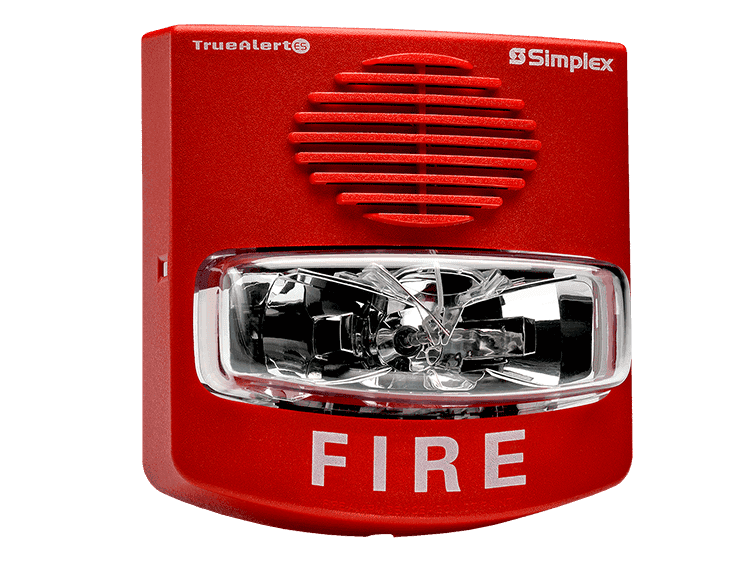
Notification Appliances
Horns, strobes, speakers, and bells that alert occupants and facilitate safe evacuation.
Sprinkler & Piping Components
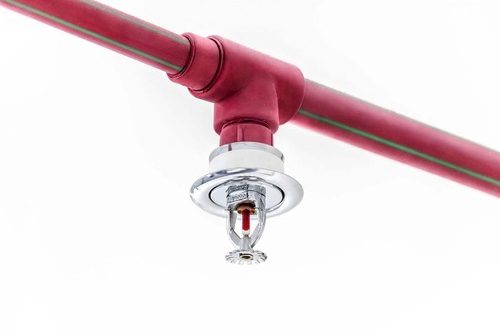
Sprinkler Heads
Available in Pendent, Upright, Sidewall, and Concealed configurations to suit various architectural and hazard requirements.
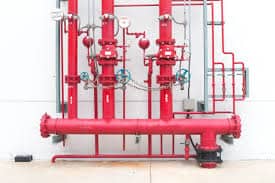
Pre-Action Valve
A control valve that regulates water flow in pre-action systems based on electric or pneumatic detection signals.
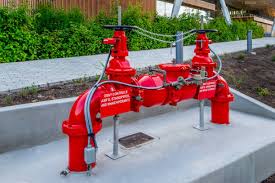
Backflow Preventer
Prevents stagnant fire system water from flowing back into the municipal drinking water supply.
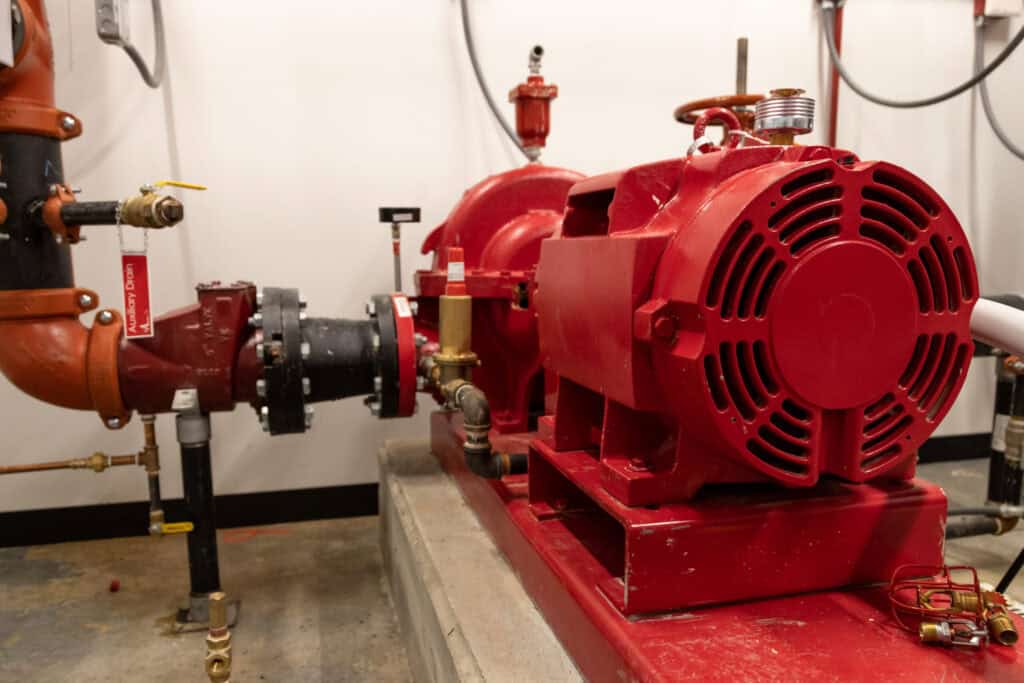
Fire Pumps
Provide additional water pressure when city mains are insufficient. Available in diesel-driven, electric, and jockey pump configurations.
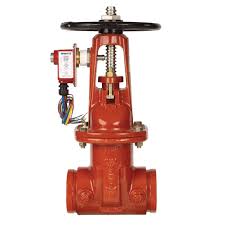
Tamper Switch
A monitoring device that signals the fire alarm panel if a control valve is closed or tampered with.

Precision-engineered MEP solutions for large-scale manafacturing, warehouses, and industrial infrastructure. Built for extreme conditions and absolute compliance.
specializations
quick links
contact
- 0322-5119119
- info@alhadiinternational.com
- Office 406, Gulberg Empire, 4th Floor Executive Block, Gulberg Greens Islamabad, Pakistan
© 2026 Alhadi International. All rights reserved. Designed & Developed by DevDaa