
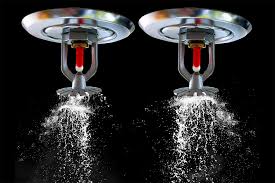
The installation and maintenance of fire sprinkler systems are critical components in safeguarding life and property against fire hazards. Among the various standards governing these systems, NFPA 13, developed by the National Fire Protection Association, stands as the most widely recognized and adopted guideline for designing, installing, and maintaining sprinkler systems in the United States and many other regions. This comprehensive standard ensures that sprinkler systems are both effective and reliable, providing a vital line of defense in emergency situations.
Overview of NFPA 13
NFPA 13, titled “Standard for the Installation of Sprinkler Systems,” provides detailed requirements covering all aspects of sprinkler system design, installation, testing, and maintenance. Its primary goal is to ensure that fire suppression systems operate as intended during a fire event, minimizing damage and protecting lives. The standard applies to various types of systems, including wet pipe, dry pipe, pre-action, deluge, and foam-water sprinkler systems.
Core Principles of NFPA 13
At its core, NFPA 13 emphasizes several fundamental principles:
- Reliability: Systems must be designed to operate under expected conditions without failure.
- Coverage: Adequate coverage must be provided to suppress fires effectively.
- Accessibility: Components should be accessible for inspection, testing, and maintenance.
- Compatibility: Materials used must be compatible with the environment and system requirements.
- Compliance: All installations must adhere to local codes and regulations alongside NFPA standards.
Design Standards
Designing an effective sprinkler system involves meticulous planning aligned with NFPA 13 standards. Key considerations include:
1. Hydraulic Calculations
Hydraulic calculations determine the water flow rate and pressure required to suppress a fire effectively. These calculations consider factors such as:
- The hazard classification of the area
- The type of occupancy
- The size and configuration of the space
- Obstructions that may affect water distribution
Accurate hydraulic calculations are essential to ensure that the system can deliver sufficient water throughout its coverage area without excessive pressure loss.
2. Water Supply Requirements
A reliable water source is fundamental to any sprinkler system. NFPA 13 specifies minimum requirements for water supply capacity and pressure. This may involve:
- Connection to municipal water supplies
- On-site storage tanks
- Fire pumps to boost water pressure when necessary
The system’s design must account for peak demand during a fire scenario while ensuring continuous operation over an adequate duration.
3. Sprinkler Head Selection and Placement
The choice of sprinkler heads depends on the hazard classification and environmental conditions. Proper placement ensures optimal coverage while minimizing dead zones where fire suppression might be ineffective. Factors influencing placement include:
- Spacing guidelines (typically between 10 to 15 feet apart)
- Obstructions such as beams or ductwork
- Ceiling height adjustments
- Special considerations for high-hazard areas or sensitive environments
4. System Types and Configurations
NFPA 13 covers various system types tailored to specific needs:
- Wet Pipe Systems: Filled with water at all times; suitable for most environments.
- Dry Pipe Systems: Contain pressurized air or nitrogen; ideal for cold environments prone to freezing.
- Pre-action Systems: Require activation signals before releasing water; used in data centers or museums.
- Deluge Systems: Open sprinklers that discharge large volumes of water simultaneously; employed in high-hazard areas like chemical plants.
Each configuration has unique design considerations aligned with NFPA standards.
Installation Requirements
Proper installation is crucial for ensuring system reliability. NFPA 13 outlines specific procedures:
1. Piping Materials and Support
Piping must meet industry standards for durability and corrosion resistance. Support structures should prevent sagging or displacement over time.
2. Sprinkler Head Installation
Sprinklers should be installed according to manufacturer specifications regarding orientation, clearance from obstructions, and mounting height.
3. Valves and Control Equipment
Valves should be accessible for operation and testing. Control valves must be properly labeled with clear identification.
4. System Testing and Inspection
Post-installation testing verifies operational integrity. NFPA 25 complements NFPA 13 by detailing inspection, testing, and maintenance procedures necessary throughout the system’s lifespan.
Maintenance & Inspection Considerations
Regular maintenance ensures ongoing system performance:
- Visual inspections for corrosion or damage
- Functional tests of valves and alarms
- Flushing pipes to prevent sediment buildup
- Replacing defective components promptly
Adherence to these practices reduces the risk of system failure during emergencies.
Key Challenges & Best Practices
Implementing an NFPA 13-compliant sprinkler system involves navigating several challenges:
- Ensuring accurate hydraulic calculations amidst complex layouts
- Balancing aesthetic considerations with functional requirements
- Managing costs associated with high-quality materials and professional installation
Best practices involve engaging qualified engineers familiar with NFPA standards, conducting thorough site assessments before design finalization, and establishing a routine maintenance schedule aligned with industry recommendations.
Conclusion
NFPA 13 serves as an essential blueprint for designing safe, efficient, and reliable sprinkler systems across diverse environments. Its comprehensive approach—from initial design through ongoing maintenance—ensures that fire suppression measures are both effective in protecting lives and compliant with regulatory expectations. As fire safety remains a paramount concern globally, adherence to NFPA 13 standards continues to be a best practice for building owners, engineers, contractors, and safety professionals committed to safeguarding their facilities against fire hazards.
For further guidance on implementing NFPA 13 standards or assistance with your fire protection systems, consult certified fire safety professionals experienced in compliance management.