
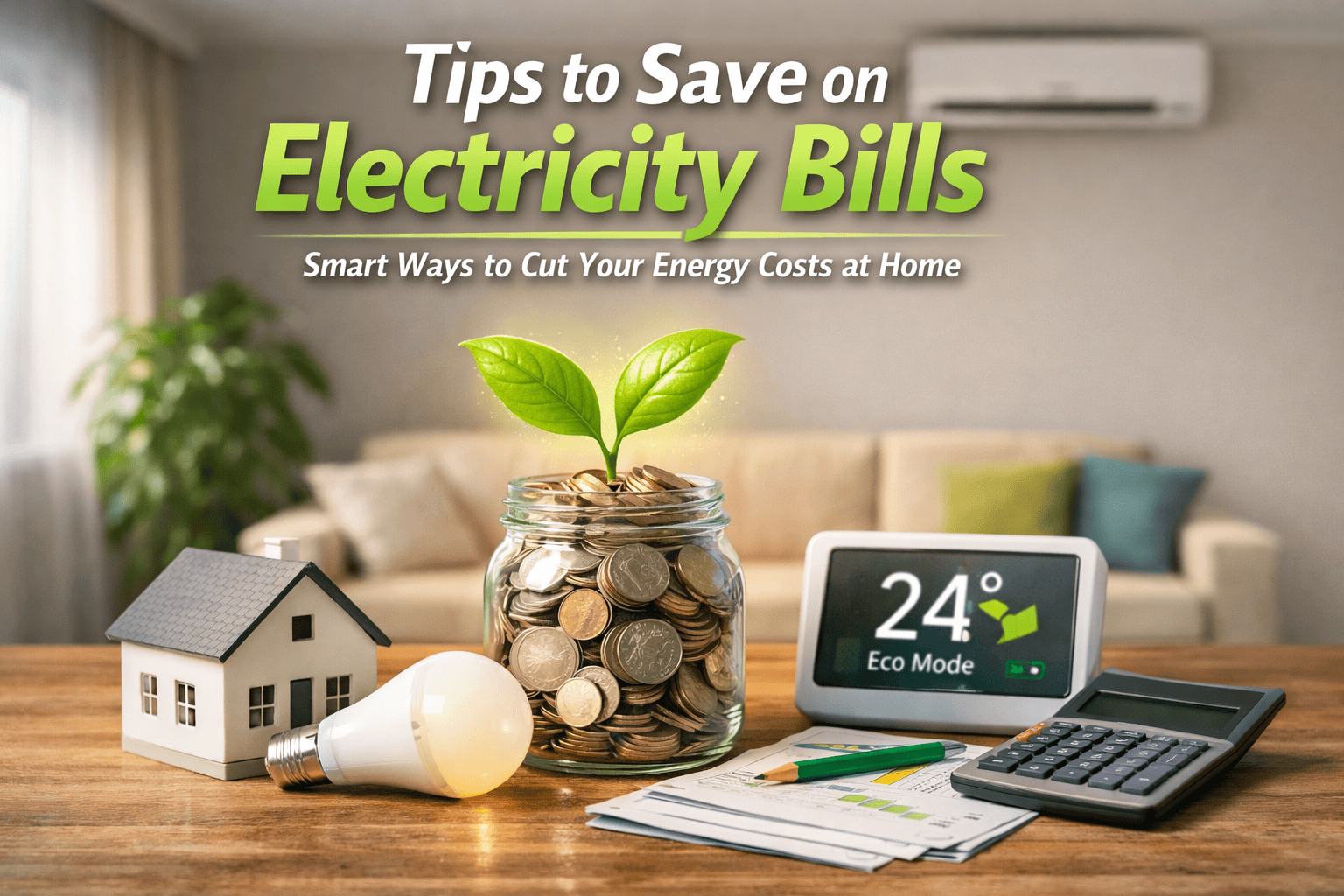
In an era where energy costs continue to rise, managing household electricity consumption has become a vital aspect of financial planning and environmental responsibility. Implementing practical measures can significantly lower monthly bills while contributing to a sustainable future. This comprehensive guide explores various strategies that homeowners can adopt to optimize energy use without compromising comfort or convenience.
Understanding Your Energy Consumption
Before embarking on any energy-saving initiatives, it is essential to understand the patterns and sources of your household electricity usage. Many utility providers offer detailed billing statements and online tools that help identify peak consumption periods and major appliances responsible for high energy draw. By analyzing this data, homeowners can pinpoint areas where efficiency improvements will have the most substantial impact.
Conducting an Energy Audit
A professional energy audit provides valuable insights into the efficiency of your home’s electrical systems. Auditors assess insulation, lighting, appliances, and HVAC systems to recommend targeted improvements. For those willing to undertake a preliminary assessment themselves, simple steps such as inspecting for drafts, checking appliance seals, and monitoring usage patterns can reveal opportunities for savings.
Upgrading to Energy-Efficient Appliances
Replacing outdated appliances with modern, energy-efficient models is one of the most effective ways to reduce electricity consumption. Look for products bearing the ENERGY STAR label, which signifies compliance with strict efficiency standards. Key appliances such as refrigerators, washing machines, dishwashers, and air conditioners often consume significant amounts of power; upgrading these can lead to noticeable savings over time.
Optimizing Heating, Ventilation, and Air Conditioning (HVAC) Systems
Heating and cooling account for a substantial portion of household energy bills. To enhance efficiency:
- Regular Maintenance: Schedule routine servicing of HVAC units to ensure optimal performance.
- Programmable Thermostats: Install programmable thermostats that adjust temperatures based on occupancy schedules.
- Proper Insulation: Improve insulation in walls, attics, and floors to maintain desired indoor temperatures.
- Seal Leaks: Use weather stripping and caulking around windows and doors to prevent heat loss or gain.
Embracing Smart Technology
Smart home devices offer advanced control over energy consumption:
- Smart Plugs: Enable remote control of appliances and set schedules to turn devices off when not in use.
- Lighting Controls: Use motion sensors or timers to ensure lights are only active when needed.
- Energy Monitoring Systems: Track real-time consumption data to identify wastage and adjust habits accordingly.
Efficient Lighting Solutions
Lighting contributes significantly to household electricity use. Transitioning from traditional incandescent bulbs to LED lighting can reduce energy consumption by up to 75%. Additionally:
- Utilize natural daylight during daytime hours.
- Install dimmer switches where appropriate.
- Turn off lights when leaving rooms.
Managing Electrical Devices Effectively
Unplugging devices when not in use prevents phantom loads—small amounts of power consumed even when appliances are turned off but still plugged in. Consider:
- Using power strips with switches for multiple devices.
- Avoiding standby modes for electronics unless necessary.
Water Heating Optimization
Water heating can account for a considerable portion of energy bills. To improve efficiency:
- Lower water heater thermostats to appropriate temperatures (around 120°F).
- Insulate water tanks and pipes.
- Use low-flow fixtures to reduce hot water demand.
- Consider solar water heaters if feasible.
Incorporating Renewable Energy Sources
Investing in renewable energy options such as solar panels can substantially decrease reliance on grid electricity. Although initial costs may be high, long-term savings and environmental benefits often outweigh the investment. Additionally:
- Explore government incentives or subsidies available for renewable installations.
- Opt for community solar programs if individual installation is impractical.
Behavioral Changes and Daily Habits
Small adjustments in daily routines can cumulatively lead to significant savings:
- Turn off appliances when not in use.
- Wash clothes in cold water whenever possible.
- Air dry clothes instead of using dryers.
- Reduce unnecessary appliance usage during peak hours if your utility offers time-of-use rates.
Educating Household Members
Engaging all members of the household fosters collective responsibility towards energy conservation. Encourage practices such as turning off unused devices, being mindful of lighting usage, and maintaining optimal thermostat settings.
Conclusion: A Holistic Approach Towards Energy Savings
Reducing household electricity bills requires a combination of technological upgrades, behavioral changes, and strategic planning. By understanding consumption patterns and implementing targeted measures—from upgrading appliances to fostering mindful habits—homeowners can achieve substantial financial savings while contributing positively to environmental sustainability. Consistent effort and awareness are key components in creating an energy-efficient home that benefits both your wallet and the planet.